
When is the ideal time for scalp micropigmentation? This blog tells you everything about the advantages and disadvantages of each season.

Micro hair pigmentation (MHP) is an effective and permanent solution for hair loss, bald patches or thinning hair.
But how do you choose the right time for treatment?
The answer depends on the time of year more often than you might think. Sunlight, sweat, outdoor activities, and even air pressure all affect the healing process and the final result.
In this blog post, we introduce you to the four seasons and weigh the pros and cons of each one – so that you can make an informed decision.
Did you know, by the way, that we can now create simulations using AI?
❄️
Winter December · January · February
For many specialists in micro hair pigmentation, winter is considered an excellent time of year for the procedure. The sun is low in the sky, the temperatures are cool, and most people spend more time indoors.
This might sound boring, but it's ideal for your scalp.

The biggest enemy of freshly dyed hair is UV radiation. In the summer months, direct sunlight causes the color to fade significantly faster. In winter, this risk is minimal, allowing the pigments to fully set without accelerated degradation. Furthermore, less sweating is less of a burden on the skin during the initial, delicate recovery phase.
Another advantage is purely practical: the waiting time for a consultation appointment at popular clinics is generally shorter in the winter months. Since more people schedule their treatment in the spring or before summer, it's often easier to get an appointment in winter.
Advantages
Minimal UV exposure, pigment adheres better.
Less sweating, calmer recovery process
Shorter waiting times for an appointment
Wearing a hat or a hood is less conspicuous and offers more discretion.
The results are fully visible even before summer.
Attention points
Dry air (heating) can dry out the scalp.
A vitamin D deficiency can slow down the ability to recover.
Hats or caps can irritate the skin after treatment.
Cold temperatures can increase sensitivity.
Our conclusion – Winter is one of the best months for scalp micropigmentation. The combination of low sun exposure, low perspiration, and sufficient recovery time before summer makes it the ideal choice.
🌸
Spring ( March, April, May)
Spring is by far the most popular time of year for hair pigmentation.
And that's understandable: The weather is getting nicer, people are thinking about their appearance and want to look good during the summer holidays.
The result is that hospitals are more heavily occupied and waiting times may increase – therefore, proactive planning is essential.

From a medical perspective, spring is an excellent time. While the UV index does increase, it remains manageable for most of the recovery period. As long as sunscreen is used consistently, there is little cause for concern. The mild temperatures are also advantageous: not too cold, not too hot, and sweating is moderate.
Attention sports enthusiasts: In spring, many people are drawn outdoors for jogging, cycling, and other sweat-inducing activities. Avoid excessive sweating during the first week after your treatment, as this can dilute or displace the ink. Therefore, do not schedule your treatment immediately before a sporty weekend.
Advantages
A pleasant climate for relaxation, not too hot and not too cold.
Result ready for summer
A motivating time of year – the perfect time for a new beginning
The skin is well moisturized after winter.
Attention points
The UV index is rising rapidly; sun protection is essential.
More outdoor activity increases the risk of sweating.
The clinics are busier than usual, so plan ahead.
Allergic reactions to pollen can increase skin sensitivity.
Our conclusion – An excellent season, provided you take sun protection seriously and combine relaxation with extra rest. Ideal for anyone who wants to look their best in summer.
☀️
Summer June · July · August
Summer is undoubtedly the most challenging time of year for scalp micropigmentation – but by no means impossible. Those who are well-informed and follow the aftercare instructions can achieve excellent results even during the summer months.
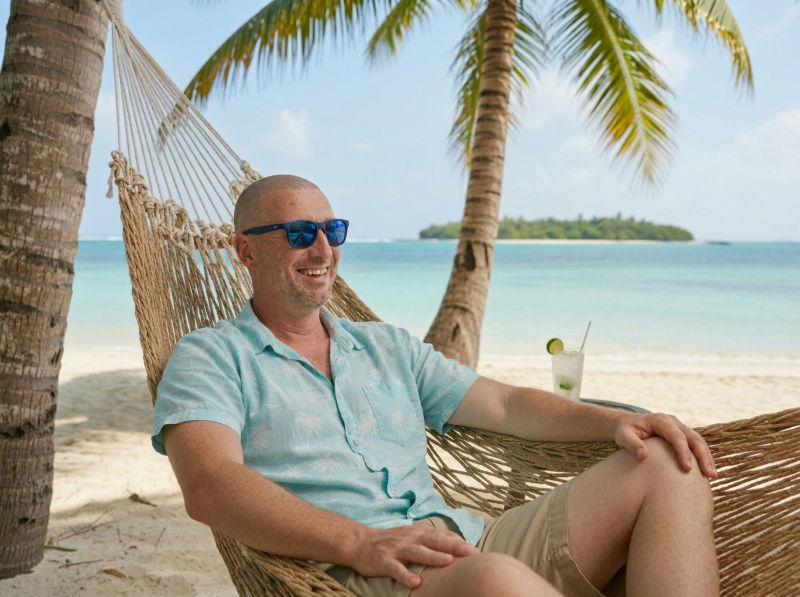
The biggest problem is UV radiation. Direct and prolonged sun exposure in the first week after treatment leads to the fastest fading of the hair pigmentation.
In the first phase, the pigments are not yet fully bound, and UV radiation breaks down the dye. This doesn't mean you have to stay indoors all summer, but it does require discipline: Wear a cap or sun hat, use sunscreen with at least SPF 50 like Zero Shine 2.0 , and postpone trips to the beach or pool until your skin has recovered.
Swimming in the sea or a chlorinated pool is not recommended for the first two weeks after each session. Salt water, chlorine, and prolonged water contact can affect the ink and disrupt the healing process. This is a real drawback for anyone wanting to enjoy their summer vacation.
However, there are also positive aspects. Those who have their hair pigmented in the summer can already enjoy a fully healed and clear result during the summer months. And for people who spend little time outdoors or work in an office, the risks are lower than one might think.
Advantages
Result ready for autumn and winter
A good opportunity if you're spending more time indoors anyway.
Clinics sometimes offer summer discounts.
Long hours of daylight help in evaluating the results.
Attention points
A high UV index significantly accelerates fading (protection with a cap, hat or sunscreen with a sun protection factor of 50).
Sweat can disrupt the healing process.
Swimming in the sea or in the pool is temporarily not possible (2 weeks).
For a beach holiday, special precautions are necessary to protect against direct sunlight.
Our verdict: Possible, but requires utmost discipline and caution. Not ideal for an active summer vacation. Still planning a summer trip? Be sure to protect your scalp from direct sunlight.
🍂
Autumn September · October · November
Autumn, along with winter, is perhaps the most underrated time of year for scalp micropigmentation. After the summer rush, the UV index drops rapidly.
Temperatures are dropping, people are spending less time outdoors, and the event calendar is emptying out. These are ideal conditions for rest and relaxation.

Those who plan their treatment in September or October benefit from a stable period: no extreme heat, no intense sun exposure, but also not yet the dry indoor air of midwinter. During this time, the skin is well regenerated after the summer and usually recovers quickly and evenly.
Another advantage is psychological: In autumn, many people feel the need for a fresh start or a change. After the summer holidays, upon returning to work or school, a fresh, confident appearance is welcome. Hair pigmentation fits perfectly into this picture.
Please note: In September, the UV index can still be relatively high, especially with warm autumn weather. And those who have just returned from vacation with a tanned scalp will find that a darker complexion affects treatment and color consultation. Therefore, be sure to discuss this with your specialist beforehand.
Advantages
Decreasing UV index, rapidly improving conditions
Cooler temperatures, less sweat
Things will quiet down again after the summer holidays.
The result is ready for the holidays and the new year.
The skin is well cared for after the summer.
Attention points
Even in September it can still be warm and sunny.
Sun-tanned skin from vacation can make color consultation more difficult.
With the start of the heating season, the skin gradually dries out.
Changeable weather can also bring sudden heat waves.
Our verdict – An excellent choice, especially from October onwards. Conditions are similar to those in winter, but the temperatures are even more pleasant. Ideal for anyone who wants to relax in peace and be perfectly prepared for the holidays.
Conclusion : When should you schedule your treatment? When is the ideal time for scalp micropigmentation?
There's no "wrong" time of year for scalp micropigmentation, but there are definitely better times. Winter and autumn (from October onwards) offer the most favorable conditions for an undisturbed regeneration process and a long-lasting result.
Spring is also an excellent time, provided you consistently use sun protection. Summer requires the most discipline and is less ideal for an active outdoor lifestyle or planned vacations. Therefore, there is no single "ideal time for scalp micropigmentation," as various factors and circumstances can present individual advantages or disadvantages.
Our general recommendation at ProHairClinic is simple: Schedule your treatment appointment so that you avoid direct sunlight and heavy sweating for the first two weeks. After that, it's important to follow the proper aftercare instructions – and enjoy the results.
Do you have questions about the optimal time for your individual situation? Our specialists will be happy to advise you without obligation.

